
Travel & Stay
What to Pack for a Niseko Ski Trip: A Checklist for Deep Cold and Deep Snow
Niseko Hub Editorial Team · 2026/10/10
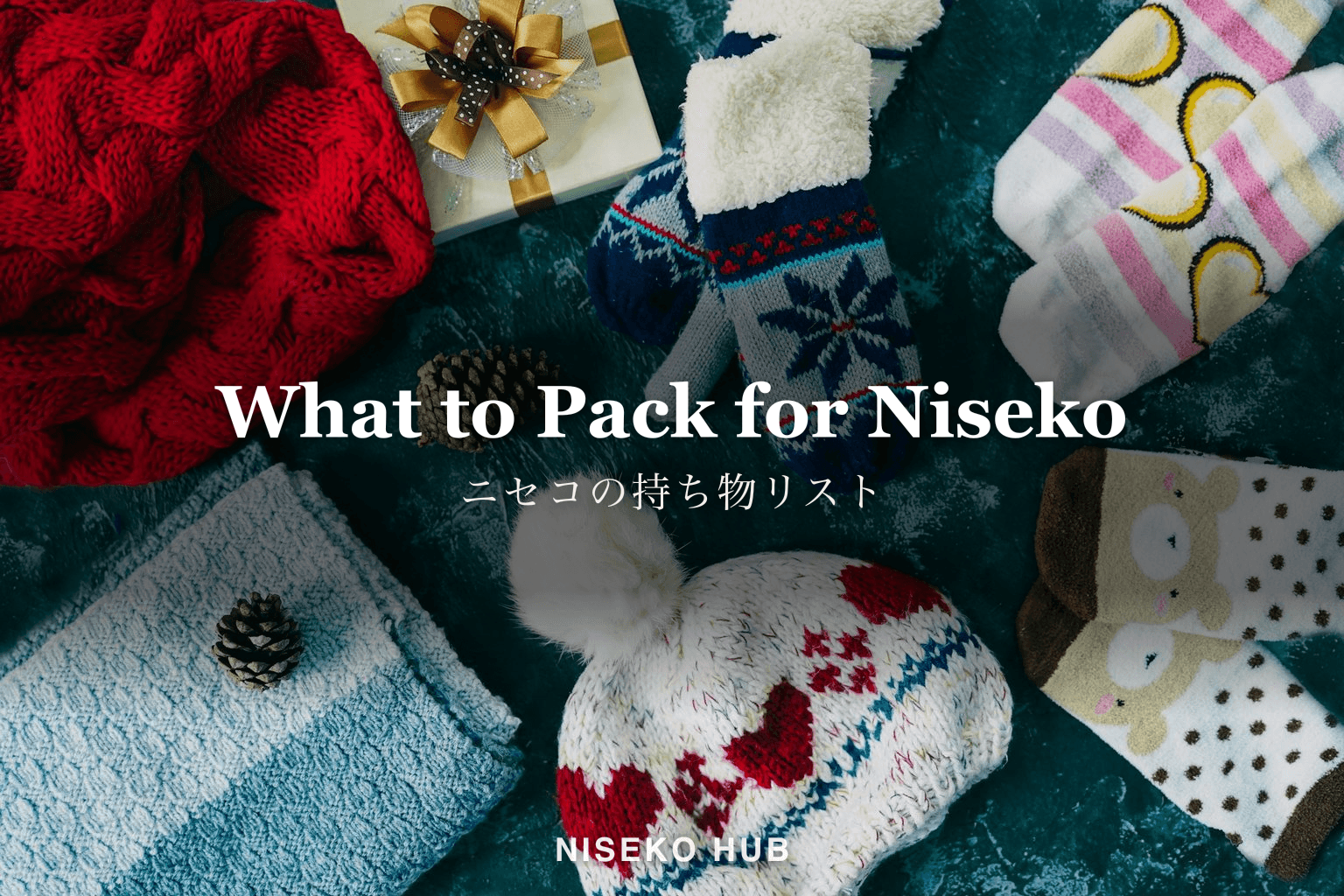
Pack for about −10°C and snow almost every night: thermal base layers, warm socks, waterproof gloves, goggles and a neck warmer go in your bag, and the bulky outer gear (jacket, pants, skis, board, boots and helmet) is easier to rent once you're here. If you're flying in from a warm country and the kids have never touched snow, the trick is layering and keeping hands and faces dry, not buying the most expensive coat you can find before you leave.
This is a packing list for a family coming to Niseko from somewhere warm. It splits everything into three piles: what to bring, what to rent here, and the one thing worth buying locally. Before you start filling a suitcase, it helps to settle the big question first, because it changes what you pack: Should you rent your ski gear or bring it?
How cold is it, and how much snow?
Cold enough that your warm-country instincts will be wrong, and snowy enough that everything outdoors gets wet. In Kutchan, the town Hirafu belongs to, the normal daily minimum temperature in January is −9.6°C, and the normal deepest snow depth in February is 181 cm (Japan Meteorological Agency, Kutchan normals, checked 6 October 2026). Those are averages, so plenty of mornings land below them.
The number that catches first-time visitors out is not the temperature but the snow. It falls most nights, so you are not dressing for a crisp, dry freeze like a cold-but-sunny city. You are dressing to be sat in wet snow, with it packed into your gloves and down your collar, for hours at a time. Having grown up with Hokkaido winters, the thing I see warm-country families underestimate every year is how fast cheap cotton gloves soak through. Once hands are wet at −10°C, the day is over for a child, no matter how good the jacket is.
The layers that keep a family warm
Three layers, and you adjust by adding or removing the middle one. The base layer sits on your skin: thermal top and leggings in merino wool or synthetic, never cotton, because cotton holds sweat and makes you cold. The mid layer is a fleece or light down for warmth. The outer layer is the waterproof shell, the jacket and pants that keep snow out, and this is the part most families rent here rather than carry.
The reason layering beats one thick coat is that skiing is hot work and standing in a lift queue is cold. With layers you open a zip or stuff the fleece in a bag; with a single padded coat you are either sweating or freezing. Bring two or three base layers each so you always have a dry set, and warm socks that reach above the boot, again not cotton. One good pair of ski socks per day beats three thin pairs worn together, which only bunch up and cut off circulation.
Hands, head and face: the parts that ruin a day
These are the items to bring from home, because fit and hygiene matter and the rental counter does not cover them. Waterproof gloves or mittens are first; mittens are warmer for small children because the fingers share heat. Then goggles, not sunglasses, because on a snowy day you need to see the bumps in flat grey light and keep wind off your eyes. A neck warmer or balaclava covers the gap between collar and goggles that the wind finds. Add a beanie that fits under a helmet, and a warm hat for walking around the village at night.
Faces burn in the snow even when it is grey, because light bounces up off the white ground, so pack a high-SPF sunscreen and a lip balm and actually use them. For the hands, bring a spare pair of gloves per person, especially for kids. Gloves get wet, and a dry second pair after lunch is the difference between an afternoon on the snow and a meltdown. A local tip: dry everything on the heater in your room overnight, because damp gloves and boots in the morning start the day badly.
Bring these, rent these, buy these here
Bring the things that touch your skin or need to fit you: base layers, socks, gloves or mittens, goggles, neck warmer, beanie, sunscreen and lip balm. These are cheaper at home than in a resort village, and they are personal. If you already own ski boots that fit, bring those too, because a boot moulded to your foot beats any rental. Everything else that fits a foot or a body shape is a different decision.
Rent the bulky, expensive gear here: skis or a snowboard, boots, helmet, and the outer jacket and pants. Renting outerwear means you are not buying a jacket you will wear a few days a year, and not wrestling it through an airport. Book it before peak weeks, because the right sizes sell out first. For how the sizes and day rates work, and which shop fits your family, see which Niseko rental shop to choose for 2026-27.
Buy one thing here: disposable hand and body warmers, called kairo. Convenience stores and drugstores in Kutchan stock them through winter, they are cheap, and they slip inside gloves, boots and jacket pockets. For base layers and warm socks, do not plan to buy them in the ski village, where shops are priced for tourists. Buy those at home, or in Sapporo if you pass through with time to spare.
Packing for kids who have never seen snow
Children feel the cold faster and dry out slower, so the extras are not optional. Pack more spare gloves than you think, snow boots for walking around the village so ski boots are only on the snow, and warm, non-cotton socks for every day. Mittens over gloves, a balaclava under the helmet, and hand warmers in the pockets keep a small body skiing instead of crying. Inside, accommodation is heated hard, so bring light indoor clothes too, or kids overheat the moment they come in.
The other thing families forget is that the first day is short and that is fine. Half a morning on the snow, then a warm lunch, is plenty while small bodies adjust to the cold. For how a first day usually goes and how to pace it, see a family's first day in Niseko.
Your Niseko packing checklist
- Base layers: two or three thermal tops and leggings each, merino or synthetic, no cotton
- Socks: one warm ski sock per day, above the boot, no cotton
- Gloves or mittens: waterproof, plus a spare pair each
- Goggles: for flat light and wind, not sunglasses
- Neck warmer or balaclava, and a beanie that fits under a helmet
- Sunscreen and lip balm: high SPF, snow reflects the light
- Snow boots: for walking the village off the slopes
- Your own ski boots, if they fit you
- Light indoor clothes: accommodation is heated
- Buy here: hand warmers (kairo) from any convenience store
What you can leave at home
A thick town winter coat is wrong for skiing, too heavy to move in and not waterproof enough for wet snow, so leave it if you are renting a shell. Skip cotton anything for skiing, skip sunglasses as your only eye cover, and do not carry skis or a board across the world when the rental fits better and costs less than the excess baggage. Umbrellas are useless in this kind of snow; a hood and a hat do the job.
FAQ
What should I wear skiing in Niseko?
Three layers: a thermal base layer against the skin, a fleece or light down in the middle, and a waterproof jacket and pants on the outside. Add waterproof gloves or mittens, goggles, a neck warmer and a beanie under your helmet. Avoid cotton, which holds sweat and makes you cold.
How cold does Niseko get?
Cold. In Kutchan, next to Hirafu, the normal daily minimum temperature in January is −9.6°C, and plenty of mornings are colder. Snow falls most nights, so you are dressing for wet snow, not a dry freeze. That is why waterproof gloves and keeping hands dry matter more than any single thick layer.
Can I rent clothes in Niseko, or should I bring them?
Rent the jacket and pants, the skis or board, boots and helmet; bring the base layers, socks, gloves, goggles and neck warmer. Renting outerwear saves you carrying and buying a coat you rarely use. The items that touch your skin or need to fit you are cheaper and more hygienic brought from home.
What do I need for kids in the snow?
Spare gloves, snow boots for walking, non-cotton socks, mittens, a balaclava and hand warmers. Children get cold faster, so pack a dry second set of gloves for after lunch, and keep the first day short. Accommodation is heated, so bring light indoor clothes too.
Where can I buy warm clothes near Niseko?
Buy disposable hand warmers (kairo) at convenience stores in Kutchan, which stock them all winter. For base layers and socks, buy before you fly or in Sapporo on the way, because shops in the ski village are priced for visitors.
— Niseko Hub Editorial Team
Niseko Snow Letter (weekly, free)
Snow conditions, this week’s events and when to book your stay — every week.
Unsubscribe anytime. Privacy policy