
Travel & Stay
Driving in Niseko in Winter: Snow Roads, Studless Tyres, Whiteouts and What to Check Before You Rent
Niseko Hub Editorial Team · 2026/10/13
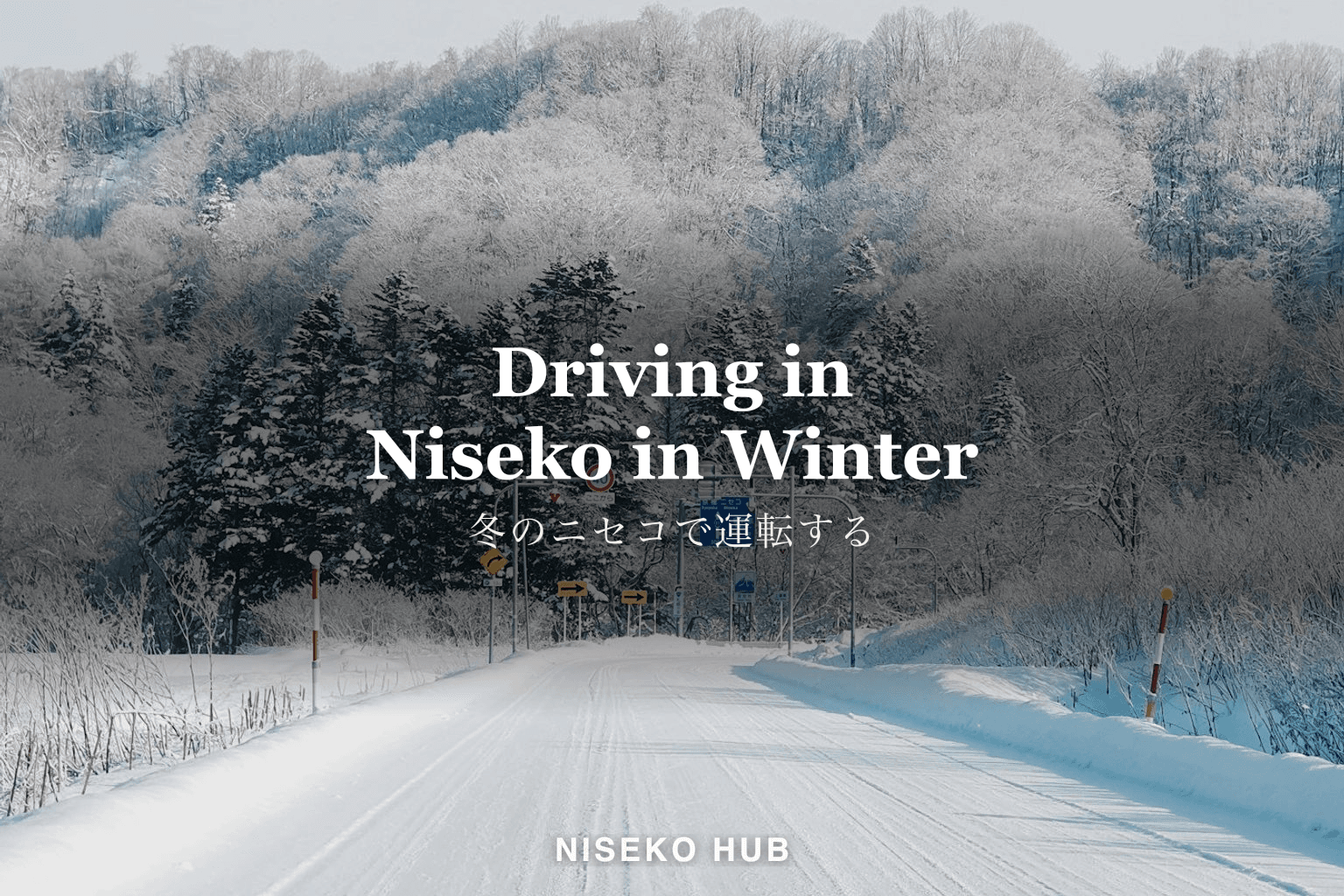
Yes, you can drive in Niseko in winter with a rental car. But the roads here get more snow than almost anywhere in Hokkaido, and they stay slippery even on a sunny day, so what you check before you rent and how well you know snow-road habits is what keeps the trip safe. If all you need is to get from the airport to your lodging, a transfer or bus is often easier than driving an icy road you have never driven. If you have not decided how to get around yet, read can you get around Niseko without a car? and how do you get from the airport to Niseko? first. This guide is for when you have decided to drive anyway.
What winter roads in Niseko are really like
Most of the time you are driving on packed snow, where the surface has been pressed down hard by traffic. When it melts a little in the day and freezes again at night, that surface turns to glassy ice and grip drops fast. The sneaky one is black ice, which forms just before intersections, on bridges, and at tunnel mouths. The road only looks wet, but a thin film of ice is sitting on top, and it is slippery even on a bright, clear day. Assume that "it looks dry" does not hold true on a Hokkaido winter road.
How to drive on snow
The single most important thing on snow is to avoid any sudden move. Sudden starts, sudden braking, and sudden steering each give the tyres a reason to slide. Leave about twice your usual following distance, and ease off the accelerator early the moment you see a light or an intersection ahead. On curves and downhills, get your speed down before the bend and before the slope, so you are not forced to brake hard halfway through. Turn your headlights on even in daytime, because it helps other drivers pick you out when everything is washed white with snow. If you have never driven on snow, forget the rest and just drive "early and gently" for the first day.
If you hit a whiteout or a blizzard
Winter here can throw up sudden ground blizzards that turn everything in front of you white. When the view disappears, you can lose sight of where you are and of the car ahead. The firm rule is: do not push on. Put your hazard lights on, slow right down, pull into somewhere safe like a convenience store or a roadside station, and wait until it passes. The shoulder can be packed with drifted snow that hides the ditch underneath, so choose where you stop with care. Driving into it because "it is only a little way" is the most dangerous move you can make.
Parking, snow clearing and living with the snow
Parking has its own winter rules. Snowploughs run along the road edges overnight, so parking on the street gets in the way of clearing, and you should always use a proper car park. Ruts worn into the snow can tug at your steering, and at intersections boxed in by snow walls you need to stop fully and lean forward to check both sides. When you leave the car overnight, lift the wipers off the glass so they do not freeze stuck. In the morning, clear the snow off the roof too before you set off, because roof snow sliding onto the windscreen as you pull away can blind you in an instant. If you get stuck in snow, do not keep spinning the tyres; dig the snow away from in front of and behind them with a shovel and ease out slowly.
Fuel, 4WD and short winter days
Three small things that make a real difference. First, refuel once you drop below half a tank, because snow traffic and running the heater while you sit can make fuel use hard to predict in winter. Second, 4WD is strong for setting off and climbing, but it stops no better than a normal car, so do not let "it is 4WD" push you to go faster. Third, winter days in Hokkaido are short and it gets dark early in the afternoon, so plan to finish any unfamiliar snow driving while there is still light.
Check road and closure information
Mountain passes and some roads close for parts of the winter. Which ones close changes with the year and the weather, so it is safer to check the latest information before you head out than to memorise road names. For closures and live cameras on Hokkaido roads, use Hokkaido Road Information, and for blizzard and visibility conditions use Kita-no-Michi Navi. Expressway restrictions are announced separately, so check those too on any day you are driving far.
What to check before you rent (a checklist)
Before you take the keys, make sure the car you booked is ready for a Niseko winter. The rental company can confirm all of these.
- Studless (winter) tyres: Rentals in Hokkaido usually come with winter tyres, but confirm it. Chains are not normally needed, but ask about that too, just in case.
- Insurance and excess (CDW): How far you can reduce what you pay after an accident. Snow roads scuff easily, so check the cover and how the non-operation charge (NOC) is handled.
- Snow tools: Whether a brush and scraper are in the car, and what to do if not.
- ETC card: Needed if you use the expressway. Check whether it is fitted or rented separately.
- Whether your licence lets you rent: This depends on your country (see below).
Your licence and the International Driving Permit
The documents you need to rent in Japan depend on where your licence is from. Most countries need an International Driving Permit (IDP) issued under the 1949 Geneva Convention, and you have to get it in your home country before you travel, because you cannot obtain one inside Japan. Licences from Taiwan, Switzerland, Germany, France, Belgium and Monaco work differently: instead of an IDP, you drive with your licence plus an official Japanese translation, from JAF or your country's embassy. Check before you leave whether your own licence lets you rent, and exactly which documents you need. The Japan National Tourism Organization driving guide lays it out.
The option of not driving at all
If you have read this far and think the icy roads are not for you, that is a fair call. Niseko is built so you can travel without driving. Shared and charter transfers run from the airport, central Hirafu keeps shops and slopes within walking distance, and shuttle buses link the resorts during your stay. The paths freeze too, though, so sorting out shoes with grip is worth doing. There is more on footing in what shoes should you wear in Niseko?.
FAQ
Do you need to drive in Niseko in winter?
No, it is not essential. Airport transfers, walking around central Hirafu, and the shuttle buses between resorts mean the trip works without driving. A car suits families with small children, people who want to roam between several resorts and hot springs, and anyone with a lot of luggage. Compare the options in can you get around Niseko without a car?.
Do you need an International Driving Permit to drive in Niseko?
Most countries need an International Driving Permit issued under the 1949 Geneva Convention. Licences from Taiwan, Switzerland, Germany, France, Belgium and Monaco can instead drive with the licence plus an official Japanese translation. Check which one applies to you, and which documents you need, in your home country before you travel.
Do you need snow chains in Niseko?
Most rental cars come with studless (winter) tyres, and chains are not normally needed on top of that. Still, always confirm with the rental company whether your car has winter tyres and whether chains are required.
What do you do if you get stuck in the snow?
Do not keep spinning the tyres, because spinning polishes the snow into ice and digs you in deeper. Clear the snow from in front of and behind the tyres with a shovel, then ease the accelerator and pull out slowly. If you cannot free the car yourself, call the rental company or roadside assistance.
How should you handle fuel in winter?
Refuel once you drop below half a tank. Snow traffic and idling with the heater on make fuel use hard to predict in winter. On days you head to areas with few petrol stations, fill up before you set off.
— Niseko Hub Editorial Team
Niseko Snow Letter (weekly, free)
Snow conditions, this week’s events and when to book your stay — every week.
Unsubscribe anytime. Privacy policy