
Travel & Stay
Snow-View Open-Air Baths in Winter Niseko, and Watching for Heat Shock — How to Enjoy Them Safely
Niseko Hub Editorial Team · 2026/10/15
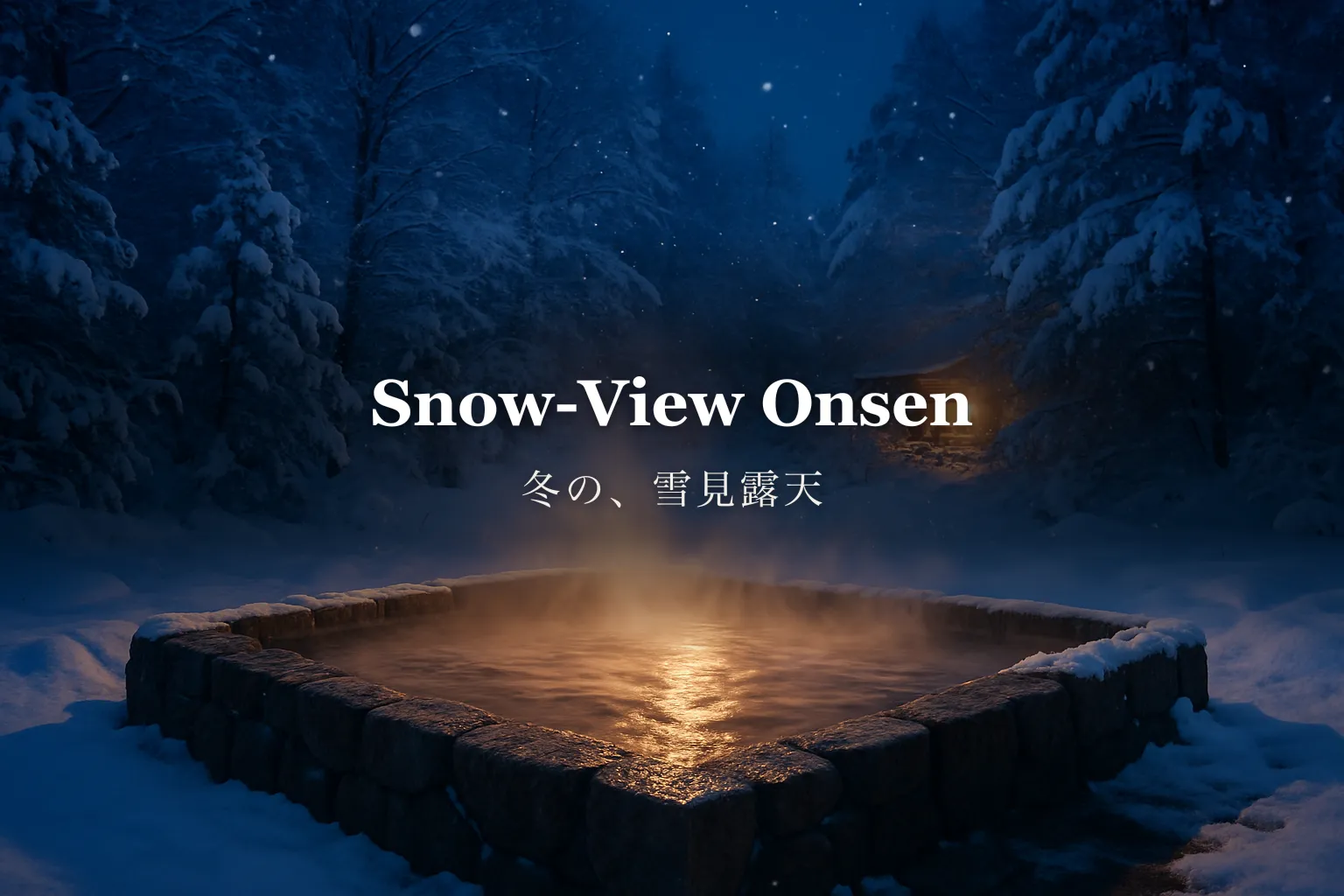
On a snowy night, a white forest beyond the rising steam — a winter open-air bath in Niseko has a pleasure the other seasons can't match. But winter also brings big swings in the temperature your body feels, and it is the season when bathing accidents rise. Before you go, let's get the knack of enjoying a snow-view bath, and the groundwork against overheating and heat shock.
This article reflects what we confirmed on 9 October 2026 against public information from the Consumer Affairs Agency and each facility's official pages. Winter prices and hours change, so check the linked page or each facility directly for the latest. If you're stopping by after skiing, see also when do Niseko's ski slopes open? for this season's dates.
For a winter onsen, three things are worth remembering.
- An open-air bath chills the body easily, so don't soak too long
- Warm the changing room and the bathroom, and keep the water on the cooler side
- Baths up in the hills mean snowy roads, so check shuttles and buses first
Where to enjoy a snow-view open-air bath in Niseko
There are several baths in the area where you can soak with the snow in view. Yukichichibu in Rankoshi has seven open-air baths looking out at Nitonupuri, open 12:00–18:30 in winter (closed Tuesdays); its cloudy-white sulphur water makes a fine contrast with the snow (source: Yukichichibu (Rankoshi Town)). Hotel Kanronomori in Niseko Kombu Onsen is proud of its open, forest-facing bath (source: Kanronomori official). Niseko Grand Hotel has a large open-air bath too, though its well-known one is mixed-gender, and in winter (December–March) the day-use price rises to 3,000 yen for adults (source: Niseko Grand Hotel (Rurubu)).
Goshiki Onsen, up in the hills, has an exceptional open-air bath of cloudy-white sulphur water. Its hours are shorter in winter, so check the times before you set out. Hotels in Hirafu also have day-use baths you can drop into after skiing. In winter, though, day-use hours and prices often change, so check with each facility before you go.
If you'd rather bathe without fuss in town, there's Kiranoyu right in front of JR Niseko Station. At 800 yen for adults and 300 yen for primary and junior-high students, with an open-air bath and a sauna, and right by the station, it also spares you the worry of snowy roads, which is welcome at this time of year (source: Kiranoyu official). A good way to go is to let the weather decide: the secluded mountain baths on one day, a quick warm-up in town on another.
The knack of a comfortable snow-view bath
An open-air bath comes with a view, but the cold air chills the skin, and you'll lose heat faster than you'd think. Rather than plunging in to your shoulders, ladle water over yourself first to let your body adjust, and you'll avoid a sudden change in blood pressure. Skin and hair left wet in the open air will get cold, so dry off quickly once you're out. In a snowy open-air bath it can be hard to notice you're overheating; when you start to feel flushed, step out, cool off, and get back in, and you'll stay comfortable for longer. Resting a small towel on your head guards against both overheating and a head chilled by the snow.
What to pack for a winter open-air bath, and the wind-down
With a winter onsen, the few minutes after your bath are the coldest. Step outside with wet hair and the warmth you've just gained slips away, so it's worth checking whether a facility has a hairdryer. Spare socks and gloves, and a warm jacket to throw on for the journey back, help you keep from catching a chill. Besides the small towel for the open-air bath, pack an extra, larger towel to dry off well; in winter, one more than usual is wise. Underfoot, even the short stretch from the car park to the entrance can be iced over, so head there in shoes that won't slip.
Winter calls for care: heat shock and bathing accidents
In winter, the temperature gap between a warm room and a cold changing room or bathroom makes blood pressure swing sharply, and bathing accidents rise. The Consumer Affairs Agency warns that bathing accidents among older people are most common in winter. The measures it sets out are: (1) warm the changing room and bathroom before you bathe, (2) keep the water at 41°C or below and your soak to about 10 minutes, and (3) don't stand up suddenly from the tub (source: Consumer Affairs Agency, on winter bathing accidents).
These accidents are most common among older people, but the temperature gap itself concerns everyone. Avoid bathing after drinking or straight after a meal, and don't push it on a day when you're unwell. When you head out with family or an older companion, remind each other: warm the room, keep the water cool, don't stand up fast.
Getting there and back: ice, shuttles, winter tyres
The thing easily overlooked with a winter onsen is the road there and back. Goshiki Onsen, Yukichichibu and Kombu Onsen are up in the hills, and the surface ices over in winter. If you're driving, winter tyres are a must, and once the sun goes down it turns cold fast and visibility drops. Where a facility has a shuttle or a bus, it's safer to use it. Niseko Grand Hotel offers a shuttle from JR Niseko Station with advance booking. Check the time of the last bath admission and your return journey before you set off.
Preventing dizziness and overheating
Soak long in hot water and you grow prone to overheating and dehydration. Drink before and after, and keep each soak short. Going back and forth between the open-air and indoor baths, in particular, quietly builds a strain on the body, so slip a little rest in between. So that a snow-view bath isn't spoiled by feeling faint, stepping out while it still feels good is about the right way to go about it.
FAQ
Any tips for not getting chilled in a winter open-air bath?
Ladle water over yourself to adjust before getting in, and step out before you overheat. Dry off quickly once out, and don't leave wet hair in the open air for long. A facility with a warm changing room makes it easier to avoid a chill.
Is it alright to bathe after drinking alcohol?
Avoid it. After drinking, blood pressure swings more, and combined with winter's temperature gap it is dangerous. The Consumer Affairs Agency, too, advises against bathing after drinking or straight after a meal.
Where can you take a snow-view open-air bath?
Yukichichibu, Kanronomori, Niseko Grand Hotel and Goshiki Onsen, among others, have open-air baths where you can soak with the snow in view. Hours and prices change in winter, so check with our 14 recommended onsen in Niseko or with each facility.
A snow-view bath is a time only winter Niseko can offer. For how it differs from a summer bath tour, read it alongside Niseko onsen, best in summer.
— Niseko Hub Editorial Team