
Life Services
Heating and Winter Bills in Niseko: Kerosene, FF Heaters, Propane and Condensation (2026-27)
Niseko Hub Editorial Team · 2026/10/18
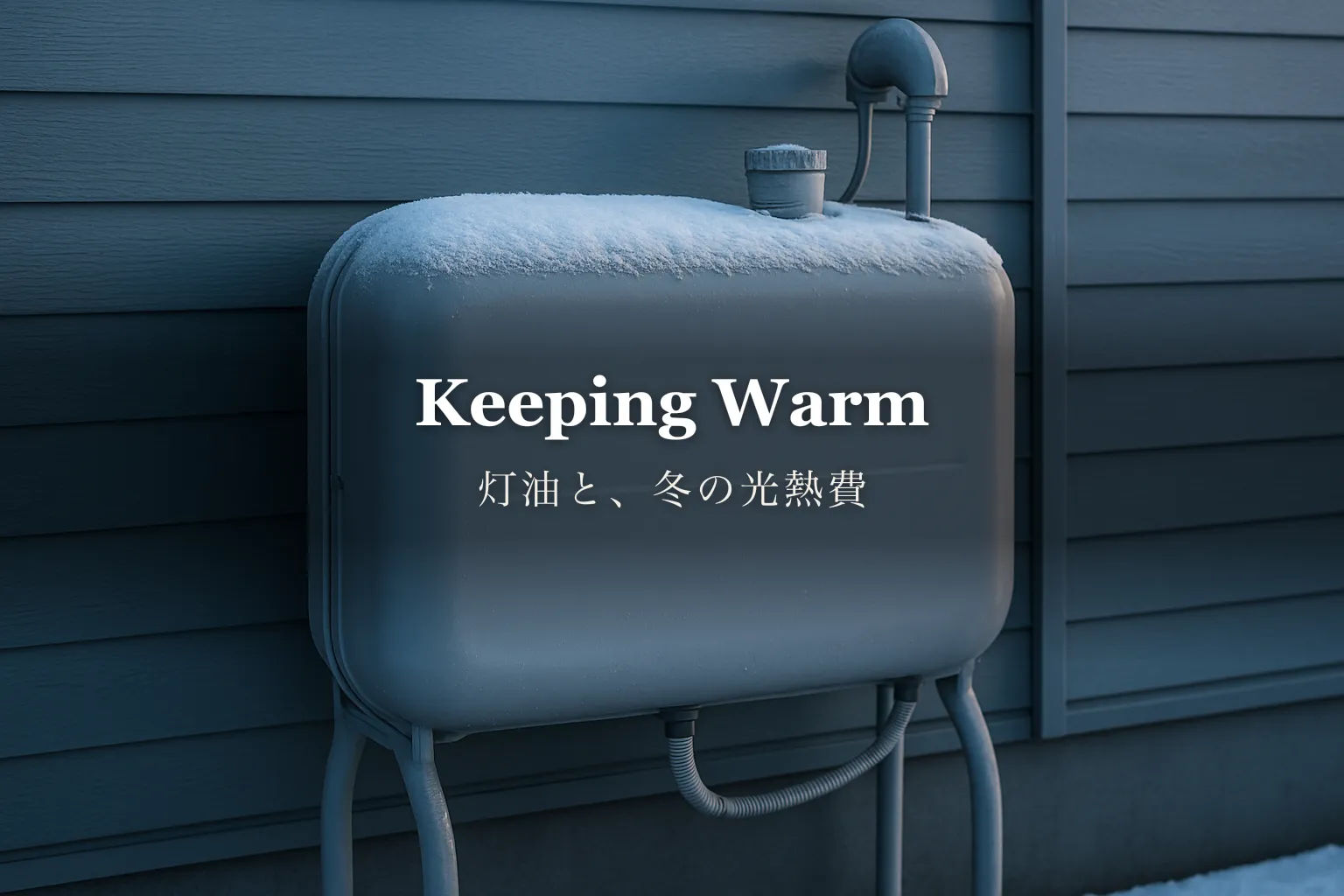
If this is your first winter in Kutchan or Niseko, assume you'll heat with kerosene. Most homes here run on a kerosene heater, and in early October 2026 delivered kerosene in Hokkaido was about 2,790 yen per 18 litres, roughly 155 yen a litre (the national fuel-station survey, compiled, as of October 5, 2026). Deep winter can cost tens of thousands of yen a month to heat, depending on the size of the place and how well it's insulated, so decide what you'll heat with, how you'll buy kerosene, and where you'll cut back before the cold sets in. That's how you keep the winter budget readable.
Prices and temperatures move with the year and the weather, so this article uses figures checked against official sources on October 13, 2026; confirm the latest with your retailer or each company's price page. For the full picture of winter prep (tyres, snow tools and the rest), see the before-the-snow winter checklist; here we go deep on heating and bills only. If you first want a sense of what living here costs overall, read Is Niseko expensive? so you can place the heating bill in context.
What you heat with: kerosene, FF heaters, and portables
Most Niseko rentals come with a kerosene heater. Broadly there are two kinds: the "FF" type, which draws air in and sends exhaust out through a flue to the outside, and the open portable kerosene stove, which burns the room's own air. The FF type doesn't release its exhaust indoors, so you can run it while you sleep without ventilating the room, and it's the type fitted in most detached houses and newer apartments around Niseko.
The one to watch is the portable open stove. The National Institute of Technology and Evaluation (NITE) warns that a kerosene stove burns a lot of air, and that without ventilation it burns incompletely and gives off carbon monoxide, which is colourless and odourless and has caused fatal poisonings (NITE). If you use an open stove, crack a window once or twice an hour, and always put it out before you sleep or refuel. How you heat the bedroom is worth confirming with your landlord or building manager before you move in.
Getting through deep winter on an air conditioner alone is not realistic here. Once it drops toward -10°C outside, an ordinary air conditioner loses heating power and runs up the electricity bill. Electric panel heaters and oil heaters are handy as backup, but heating the whole house with them sends your winter electricity bill soaring, so the safe setup is kerosene as the main heat and electricity for just one room, like the changing area by the bath.
How to buy kerosene: delivery, home tanks, polytanks
There are two main ways to buy kerosene: delivery, or buying it yourself. Detached houses and newer places have a 490-litre or 200-litre home tank in the yard, and if you sign a regular-delivery contract with a kerosene dealer or the co-op, they watch the level and top it up for you. For an apartment or small amounts, you fill an 18-litre polytank at a home centre or petrol station and carry it yourself. It's cheaper, but it means hauling a heavy tank over snowy ground in midwinter.
As a guide, delivered kerosene in Hokkaido was about 2,790 yen per 18 litres in early October 2026, moving within a band of roughly 2,280–2,790 yen over the past year (the national fuel-station survey, compiled, as of October 5, 2026). For a real retail figure, the co-op's regular delivery listed 159 yen a litre in Sapporo as of October 1, 2026 (tax included, outdoor tank) (Enecoop). It moves weekly with crude and the exchange rate, so before you sign, compare the per-litre price and delivery terms at both a local dealer and the co-op. Here's what to do.
- In a detached house, at move-in ask the tank's capacity and which dealer the last tenant used
- Regular delivery lets you choose auto-refill by level or order-as-you-go; auto-refill is easier if you're often away
- If you go the polytank route, a full 18 litres is about 15kg, so keep the kerosene store near the entrance, since you'll carry it over snow
Cutting the bill: thermostat, windows, and air flow
The easiest lever is the thermostat. The Agency for Natural Resources and Energy puts the target room temperature for winter heating at 20°C, and says dropping an air conditioner from 21°C to 20°C saves about 1,650 yen a year (Government Public Relations Online). It's the same idea with kerosene: turning it down a degree or two and layering up burns fuel slower than holding a high temperature all day.
Windows come next. According to the Japan Sustainable Building Consortium's industry body, more than half of the heat a home loses while heated in winter escapes through windows and other openings (Japan Building Materials & Housing Equipment Industries Federation). Floor-length heavy curtains, a home-centre inner-window kit or plastic twin-wall board fitted over the glass, and draught tape to seal the window frame: these three cost a few thousand yen and tend to pay off. Warm air pools at the ceiling, so point a circulator or fan upward to mix the air; your feet feel warmer, and the same kerosene buys more comfort.
Propane and electricity
Bath, hot water and the cooktop usually run on propane (LP gas), separate from the kerosene. There's almost no city gas piped into the Niseko area, and rates differ by company, so the same usage can produce a different bill. Before you move in, ask the gas company's name, the standing charge and the unit rate, and budget for heavy winter hot-water use. Kerosene for heating, propane for hot water, electricity for one room. That split is the normal shape of a winter utility bill here. For the wider picture of what winter costs beyond the rent, see Moving to Niseko without regrets.
Condensation and ventilation: before the window turns white
The harder you heat, the more indoor moisture turns to water on the cold glass. That's condensation. Hokkaido Research Organization notes that a family of four puts about 10 litres of moisture into the air indoors each day, and that letting it build up leads to mould and damage behind windows and walls (Hokkaido Research Organization). A window that fogs white on the inside in the morning is an ordinary Niseko winter sight, and the fix is frequent airing plus leaving the bath and toilet fans running.
Pulling furniture a few centimetres off the wall and opening the closet now and then also cuts condensation where air goes stale. On the coldest days, watch for frozen pipes too: Sapporo Waterworks advises draining the pipes when it drops below -4°C or when you're away for a long stretch (Sapporo Waterworks). The local snow rules are gathered in Kutchan's snow rules, worth checking alongside the heating so the winter goes smoother.
FAQ
Which is cheaper in Niseko, kerosene or gas?
For heating, almost every home runs on kerosene. Propane mainly does hot water and the cooktop, and few homes heat entirely on gas. With little city gas, propane rates vary a lot by company, so the realistic approach is to split it (kerosene for heat, propane for hot water) and check each unit rate before you move in.
How much does kerosene cost over a season?
It varies a lot with the size of the home, the insulation, and your thermostat, so there's no single figure. The early-October 2026 delivery price was about 2,790 yen per 18 litres (around 155 yen a litre), and heating a whole detached house can reach tens of thousands of yen a month in deep winter. Turning the temperature down a degree or two and insulating the windows changes how fast it burns, so use it for a month first and learn your own home's rate.
Is a kerosene stove dangerous without ventilation?
An open portable stove is. It burns the room's air, so without ventilation it burns incompletely and gives off carbon monoxide, which has caused poisonings while colourless and odourless. Crack a window once or twice an hour, and put it out before you sleep or refuel. An FF heater vents outside and needs no room ventilation, but check through winter that its outdoor vent doesn't get buried in snow.
How do I prevent condensation?
Don't let moisture build up. Move it outside. Air the rooms often, run the bath and toilet fans, and pull furniture a few centimetres off the wall to open an air path. Hokkaido Research Organization puts a family of four at about 10 litres of moisture indoors a day, and left alone it leads to mould and damage behind windows and walls.
— Niseko Hub Editorial Team