
Looking After Your Car Through a Niseko Winter: Dead Batteries, Washer Fluid, and Snow on the Carport (2026-27)
Niseko Hub Editorial Team · 2026/11/05
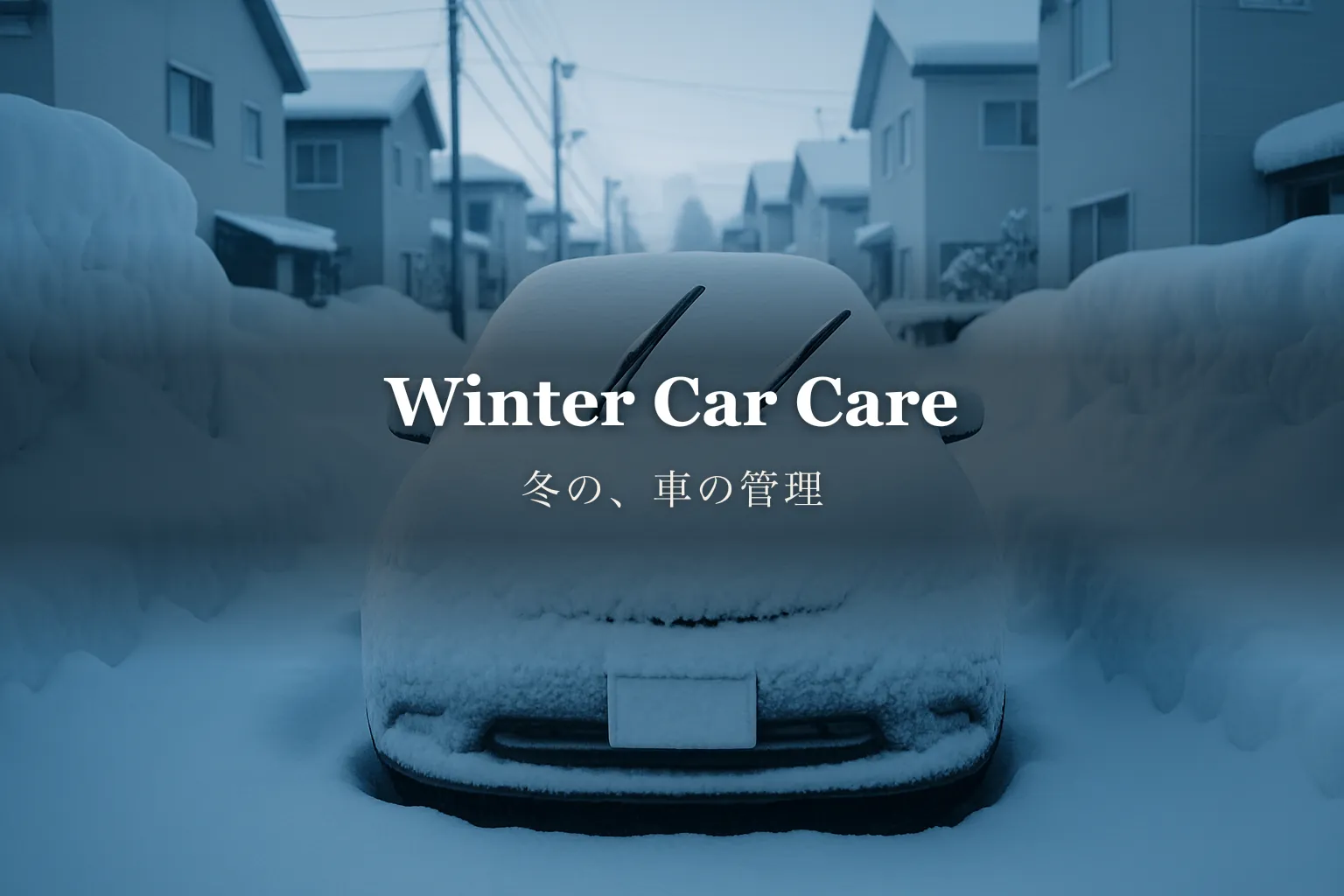
A Niseko and Kutchan winter runs well below freezing for months, and the cars that fall over first are the ones nobody prepared. The shortest path to getting through it without damage is to finish three things before the real snow arrives: swap the cold-sensitive fluids for cold-climate ones, count how old your battery is, and decide where you park. So you are not scrambling once the snow comes, read the whole run of winter jobs first in What to get ready before Niseko's first snow: a winter prep checklist, and the car tasks will fall into place.
First, the car jobs and roughly when to do them.
1. By early November: replace the washer fluid with a cold-climate one (good to about -30°C) 2. By early November: have the coolant (LLC) and engine oil viscosity checked 3. Before the first snow: check your battery's age, and consider replacing it if it is in its third or fourth year 4. Before the first snow: pack jumper cables or a jump starter, a snow brush, and de-icer spray in the car 5. Every time you park: don't sit for long directly under a roof or carport where snow drops
Battery: the first thing the cold beats
Cold reliably cuts how much power a battery can deliver. As the temperature drops the chemistry inside slows and the cranking power falls, while the electricity you draw for warming up, the heater and the defroster goes up in winter. The batteries that suffer most are older ones in their third or fourth year, and cars that only ever do short trips. A few minutes to the shops and back, over and over, never fully puts back the charge you drew, so it drains down until one morning the starter turns slowly and then not at all.
What to do.
- Check the battery's build date or when it was last replaced. If it is in its third or fourth year, consider replacing it before the deep cold arrives
- Keep jumper cables, or a jump starter that needs no second car, in the vehicle. Don't count on a stranger's car in a freezing lot
- Once on a weekend, drive for a solid 30 minutes to recharge. The more short trips you do, the more this helps
- For a dead battery away from home, save the number for JAF or your insurance roadside service in your phone
Fluids that must not freeze: washer fluid, coolant, oil
Snow and road salt blur your view, so you use washer fluid far more often in winter. But a summer mix thinned with water will freeze in the tank and nozzles and stop coming out, and the hose can split. For Niseko's cold, swap it before winter for a cold-climate fluid rated to around -30°C.
Coolant (LLC) and engine oil get looked at in the same pre-winter check. Weak coolant can let freezing damage the engine, and oil that thickens in the cold makes cold starts harder. These are hard to judge yourself, so when you book a service or an oil change, say you want it set up to get through a Niseko winter and leave the concentration and viscosity to the shop.
The morning routine: wipers, door rubber, locks
On a sub-zero morning the whole car wears a white shell. On nights when snow builds up, stand your wipers up when you park. Left down, they freeze to the glass, and running them in the morning can tear the rubber or strain the motor. Don't force frozen wipers or mirrors loose either: run the engine and clear them with the defroster, or loosen them with de-icer spray first. Boiling water cracks the glass, so leave that alone.
Door rubber and locks freeze too. If a door won't open, press the edge with your palm to break the ice, and if a lock won't turn, use a lock de-icer. The order for standing the wipers up and clearing the snow off the glass and roof sits alongside the rest of the shovelling in Niseko snow shovels: which tool for which snow, and how to save your back.
Where you park, and the exhaust: this is the dangerous part
Where you park matters to your safety before it matters to the car. Avoid the ground directly under a roof or carport where snow slides off, and the space under icicles or a snow cornice at the eaves. A Hokkaido roof can drop tens of centimetres of snow or a block of ice in a single night, and that flattens a bonnet or a windscreen in one go. In a lot, nose in on the side the building's falling snow can't reach, and your morning clearing flows front to back.
The scariest one is a tailpipe packed with snow. If the exhaust is blocked by a blizzard or piled snow and you run the engine while sitting inside, carbon monoxide builds up in the cabin and you can lose consciousness without noticing. When you warm up a buried car, or idle for a long time, dig out around the tailpipe to open an escape path for the exhaust before you start the engine. For the town rules on street parking and clearing snow, check Your first winter in Niseko (Kutchan): snow rules and getting ready.
When things go wrong: JAF, the dealer, and getting stuck
I grew up in Hokkaido and have driven through every Niseko winter since 2018, and most trouble is the kind a little pre-winter work prevents. Even so, below freezing a serviced car can still go flat, freeze up, or get stuck. For a dead battery, a key locked inside, or a tow out of a snowbank, JAF is your line (members get a range of work covered at no charge); for the engine or a warning light, the shop you bought from or the dealer is who you want. Save the numbers before the snow falls. How to move before and after you slide or sink is in Driving Niseko's snow roads and getting unstuck: your first winter behind the wheel, so read it too if the driving itself worries you.
FAQ
How many years before I should replace my battery for a Niseko winter?
It depends on use, but once a battery is in its third or fourth year it is wise to have it checked and consider replacing it before the deep cold. Cold plus repeated short trips wears it down, so cars used mostly for local errands need an earlier look. If in doubt, a pre-winter check can measure the battery's condition.
Can I just thin my washer fluid with tap water?
Not for a Niseko winter. Water, or a weak summer mix, freezes in the tank and nozzles and either stops coming out or splits the hose. Swap it before winter for a cold-climate fluid rated to about -30°C.
My wipers are frozen to the glass in the morning. Can I pour hot water on them?
Boiling water can crack the glass suddenly, so don't. Run the engine and melt them off with the defroster, or loosen them with de-icer spray first. Standing the wipers up when you park the night before cuts this morning job right down.
I want to warm up a snow-buried car before I leave. What should I watch for?
Before you start the engine, always dig out around the tailpipe. Idling with it blocked lets carbon monoxide into the cabin, and you can lose consciousness. Crack a window and keep long idling to a minimum to stay safe.
Who do I call if my battery dies?
JAF, or the roadside service on your car insurance, is the usual answer. Members get a range of work covered at no charge. To handle it yourself, use jumper cables or a jump starter. Save the numbers in your phone before the snow falls, so a sub-zero morning doesn't catch you out.
— Niseko Hub Editorial Team
Niseko Snow Letter (weekly, free)
Snow conditions, this week’s events and when to book your stay — every week.
Unsubscribe anytime. Privacy policy